

The Complete Guide to Stone Finishes
Introduction: “The character of a stone is defined not just by its geological origin, but by how it is finished. The same block of marble can look like a mirror in one finish and a weathered rock in another. Processing changes the color saturation, the tactile feel, and the slip resistance. Here is the definitive Stone Moods glossary of surface finishes.”
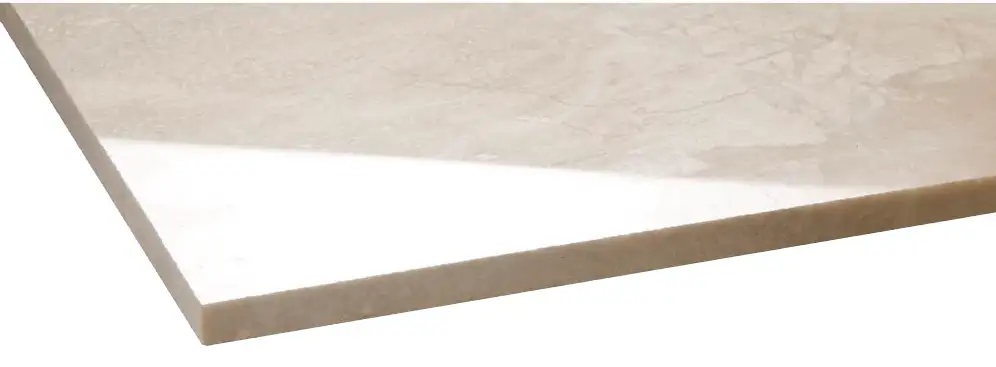
Polished
-
The Look: High-gloss, mirror-like reflection. The colors and veins appear at their most vibrant and saturated.
-
The Feel: Perfectly smooth and glass-like.
-
Best Application: Indoor wall cladding, low-traffic floors, countertops (if you don’t mind etching).
-
Pros/Cons: It is the least porous finish (pores are closed), but it highlights scratches and etching more than any other finish. It is slippery when wet.
Honed
-
The Look: Satin, matte, non-reflective. The colors are softer and more muted (lighter) compared to polished stone.
-
The Feel: Smooth like velvet, but without the gloss.
-
Best Application: High-traffic floors, busy kitchens, bathrooms.
-
Pros/Cons: It hides scratches and etching much better than polished surfaces. It offers better slip resistance but can be more porous, requiring good sealing.
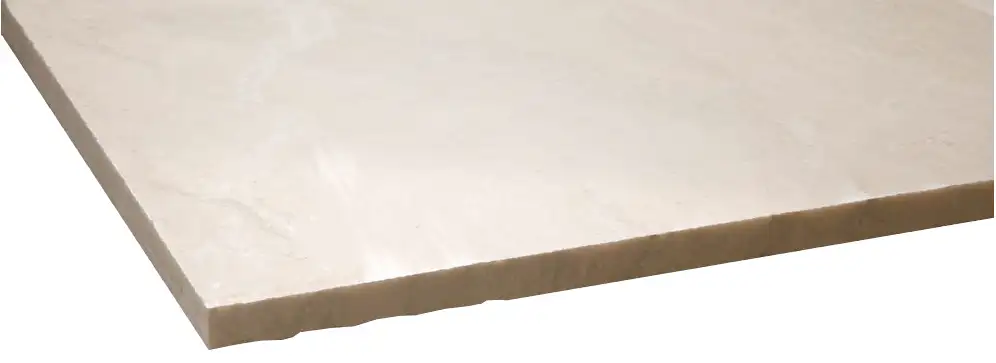
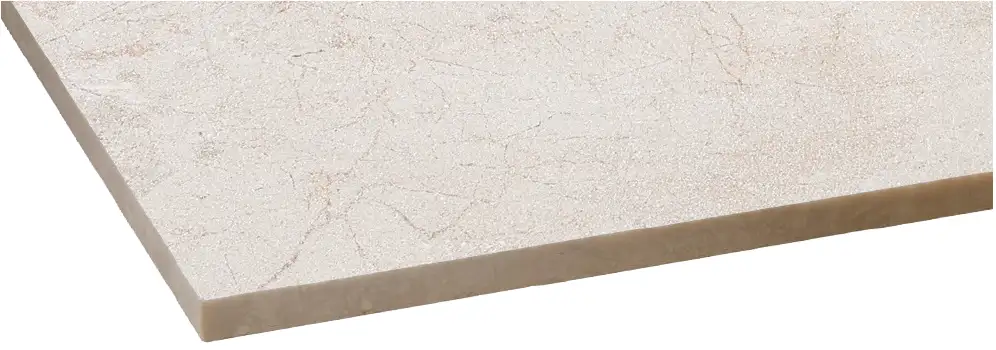
Leathered
-
The Look: Textured and undulating. It mimics the feel of worn leather. The soft parts of the stone are brushed away, leaving the harder veins slightly raised.
-
The Feel: Tactile, warm, and soft to the touch. It has ‘movement’ under your fingertips.
-
Best Application: Kitchen islands (hides fingerprints and crumbs), fireplace surrounds, feature walls.
-
Pros/Cons: Incredible at hiding water spots and fingerprints. It adds a sensory dimension to the design.
Flamed
-
The Process: An intense flame is applied to the stone surface, causing the crystals to pop and explode due to thermal shock.
-
The Look: Rough, faded, and highly textured. The color usually becomes significantly lighter.
-
Best Application: Outdoor paving, pool decks, wet areas requiring maximum grip.
-
Pros/Cons: Extremely non-slip. However, the surface is very rough and open-pored, making it hard to clean if used indoors. Mostly applied to Granites (Marble can shatter).
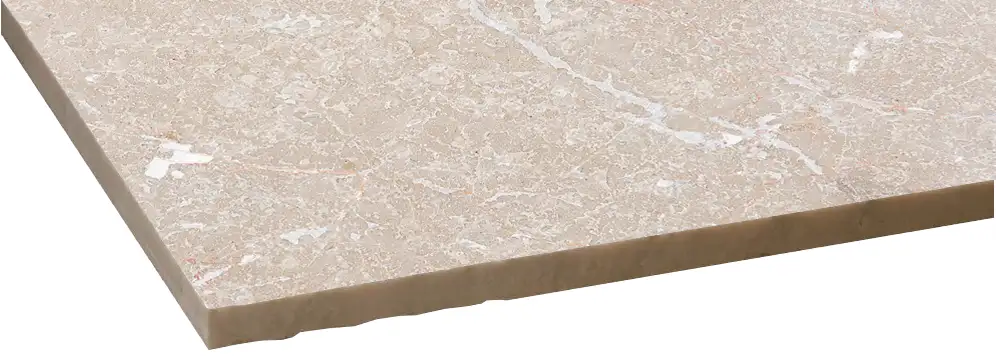
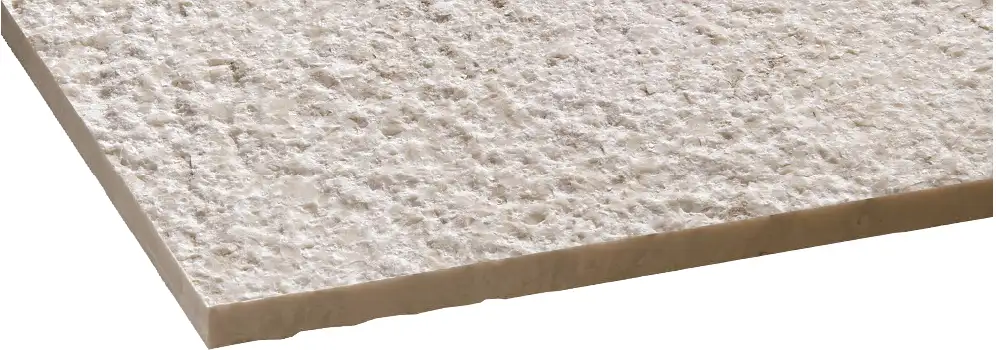
Bush-Hammered
-
The Process: A specialized hammer with multiple points hits the stone repeatedly, creating small craters.
-
The Look: Pitted, industrial, and weathered. It looks like ancient stone found in ruins.
-
Best Application: Exterior facades, non-slip strips on stairs, rustic interior walls.
-
Pros/Cons: Provides excellent slip resistance and a uniform, weathered aesthetic. It lightens the stone’s color dramatically.
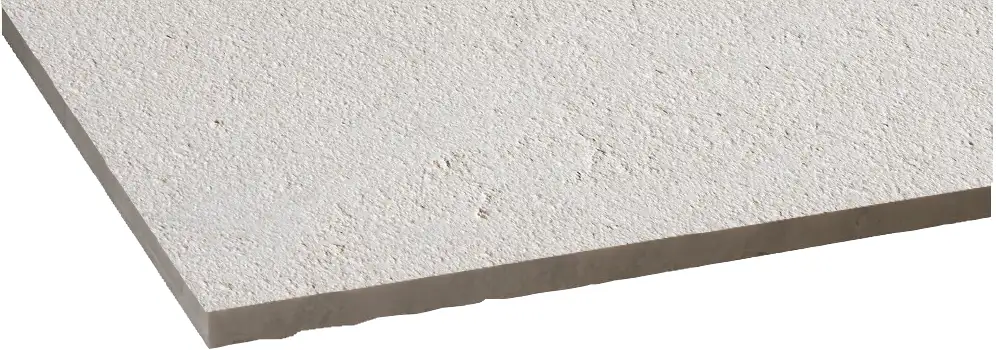
Sandblasted
-
The Process: High-pressure sand or grit is blasted onto the stone.
-
The Look: A fine, granular texture. It looks slightly ‘frosted’ or sugary.
-
Best Application: Shower floors, minimalist facades where a uniform, non-reflective look is desired.
-
Pros/Cons: Subtle texture that offers grip without being too aggressive on bare feet.
Curator’s Tip: “When choosing a finish, always ask for a sample. A ‘Leathered’ finish on a hard Granite feels very different from a ‘Leathered’ finish on a soft Limestone. Touch is the final test.”
Stone Finishes– Comparison Table
| Finish | Surface Appearance | Reflectivity | Texture / Feel | Slip Resistance | Color Effect | Typical Applications |
|---|---|---|---|---|---|---|
| Polished | High-gloss, mirror-like | Very High | Smooth, slick | Low | Maximizes color & veining | Countertops, interior walls, decorative surfaces |
| Honed | Matte, smooth | Low | Smooth, soft | Medium | Softens color tones | Floors, walls, bathrooms, minimalist interiors |
| Leathered | Satin, subtly textured | Low–Medium | Tactile, soft relief | Medium–High | Enhances depth, mutes shine | Countertops, floors, architectural interiors |
| Flamed | Rough, fractured | Very Low | Aggressive, coarse | Very High | Lightens surface slightly | Exterior paving, terraces, outdoor stairs |
| Bush-Hammered | Heavily textured, rugged | Very Low | Deeply rough | Very High | Strongly diffused | Facades, public spaces, urban architecture |
| Sandblasted | Fine textured, matte | Very Low | Controlled micro-texture | Medium–High | Even, muted | Floors, walls, facades, contemporary architecture |
Stone finishes are not decorative choices.
They are architectural decisions that affect light, safety, aging, and material expression.